Last week, Malaysian digital exchange
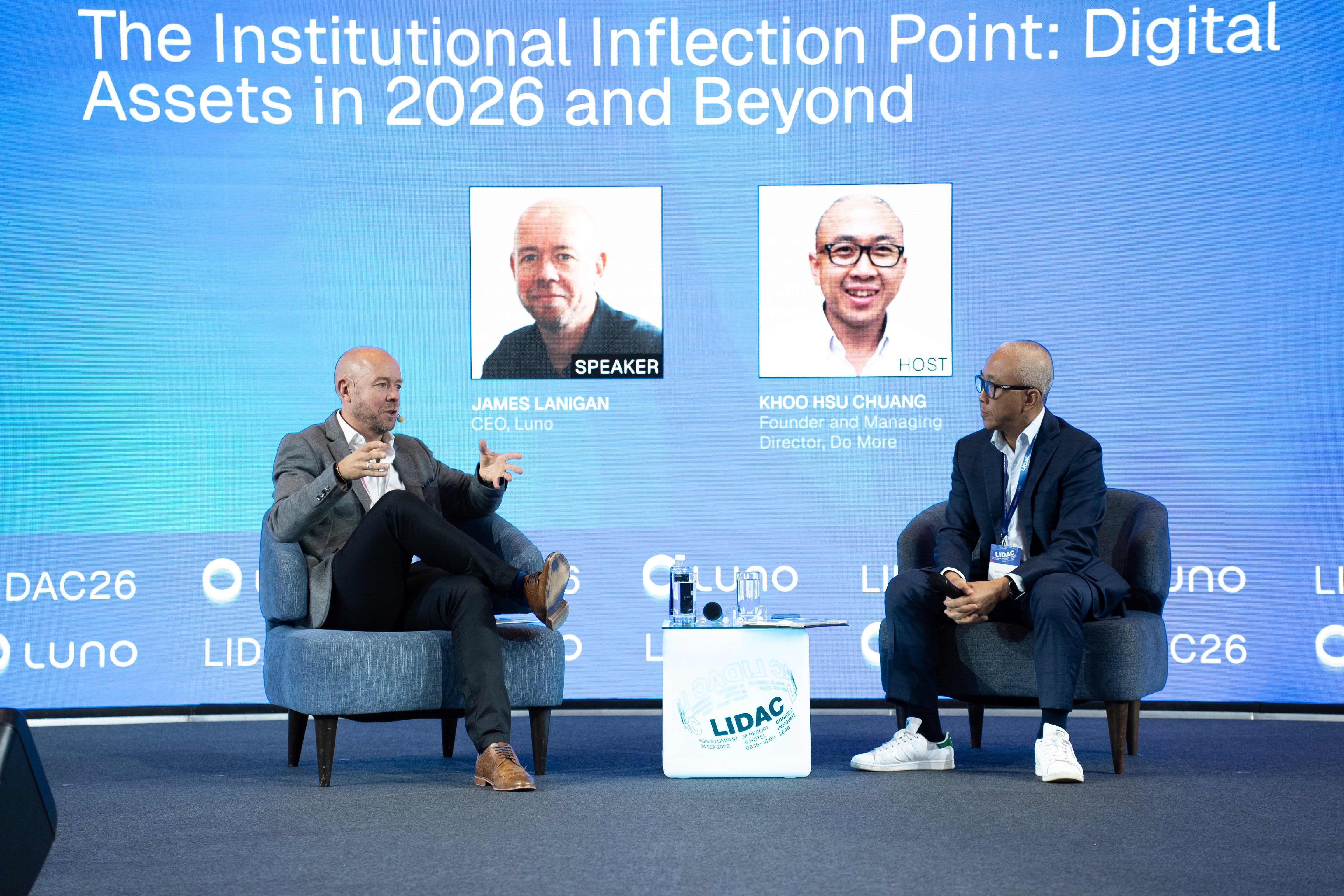
Luno concluded its second digital assets conference, and by most metrics, it was a success. But this onion has a ton of further layers to go. Here’s a summary, my own TL:DR —
Malaysia’s six GLICs manage more than RM1.8 trillion, and none has disclosed any crypto exposure. Abu Dhabi’s Mubadala, by contrast, holds about US$490 million of BlackRock’s spot Bitcoin ETF, its second-largest US-listed position.
The case for moving is no longer about Bitcoin as a speculative asset. It is about market infrastructure — the selfsame reason behind America’s speed of innovation.
America understands that digital rails:
-
settle 24/7 rather than at T+2
-
moves value across borders in seconds
-
cuts transaction costs to nearly zero
-
records every transfer on an auditable ledger
-
allows payments and compliance checks to execute automatically, among a raft of other advantages.
And now that AI is converging — fast — with digital assets (do you really think AI agents move on traditional banking rails?), that speed of innovation is being vindicated.
Malaysia has already proven the concept. In April, Khazanah priced the country’s first tokenised sukuk, worth RM100 million, and KWAP was among the investors. Bank Negara is piloting ringgit stablecoins and tokenised deposits with Maybank, CIMB, Standard Chartered and Capital A. The Securities Commission now permits digital currency ETFs.
Yes, institutional concerns are legitimate, but they can be addressed.
Volatility. Bitcoin trades about a third below its October 2025 peak. With a 0.5% allocation, even a 50% fall costs a fund a quarter of one percent.
Cash flow. EPF objects that Bitcoin produces no forecastable income. That does not apply to tokenised sukuk, bonds or deposits, which yield exactly what their conventional equivalents do.
Shariah. The SC’s Shariah Advisory Council has cleared Bitcoin, Ethereum, XRP and Stellar. Few markets have that head start.
Reputation. Scams cost Malaysians RM2.8 billion last year. However, that calls for regulated participation, not abstention.
Meanwhile, the United States is using stablecoins to channel demand into Treasuries and extend the dollar’s reach. If ringgit digital rails do not develop at scale, dollar rails will fill the space.
The sequence can and should be:
-
Expand tokenised issuance.
-
Adopt ringgit stablecoin settlement once Bank Negara issues its rules, due by year-end.
-
Make a small, disclosed pilot allocation through a regulated vehicle.
The infrastructure is being built. Malaysia’s largest funds should be among its first users, not its last.
Happy Fridays all. Carpe Diem.